Battle of coffee characters: Arabica or Robusta flavor?
Smúz Blog · 2025. 06. 10.
Smúz Blog · 2025. 06. 10.

One of the most common questions from coffee drinkers is whether to choose Arabica or Robusta coffee. Both types of coffee are popular around the world, but they differ significantly in taste, caffeine content, and where and in what quantities they are grown.
The coffee we drink every day is actually the fruit of the coffee plant – the seed of the coffee plant is what we call the coffee bean. There are more than 100 coffee species in the world, but commercially only two really count: Arabica coffee and Coffea canephora (better known as robusta).
Around 10 million tonnes of coffee are grown worldwide each year, of which 60–70% is arabica and 30–40% is robusta. This means that arabica is the more popular but less resistant and demanding variety, while robusta is easier to grow and provides abundant yields – mainly in tropical, lower-lying areas such as India, Vietnam and Uganda.
Arabica coffee brands are among the most sought-after products in the world. The plant grows mainly above 900 metres, especially in Colombia, Ethiopia and Central America. Characteristics of arabica coffees: fruity and floral aromas, acidity and a lower caffeine content of around 0.5–1.5%.
This species is more vulnerable to disease, frost and pests, so it is more expensive and harder to grow. At the same time, it is the foundation of the specialty world: at Smúz café, for example, you can taste Ethiopian Kabira and Brazilian Fazenda Zaroca.
Robusta coffee brands are less delicate, but offer a more intense, bitter, earthy, nutty flavor. Robusta has about 2-4% of caffeine, so it can have twice the energizing effect of an arabica. It is easier to grow at lower altitudes, is less susceptible to disease, and provides higher yields.
According to market data, the majority of coffee sold worldwide is blended – mainly because it caters to a wider range of consumer tastes. Both those who are looking for a softer, fruity coffee and those who are looking for a strong, characterful coffee will find their favorite.
Although many people think a blend is always cheaper, that’s not the case with premium-quality specialty blends. The price depends on:
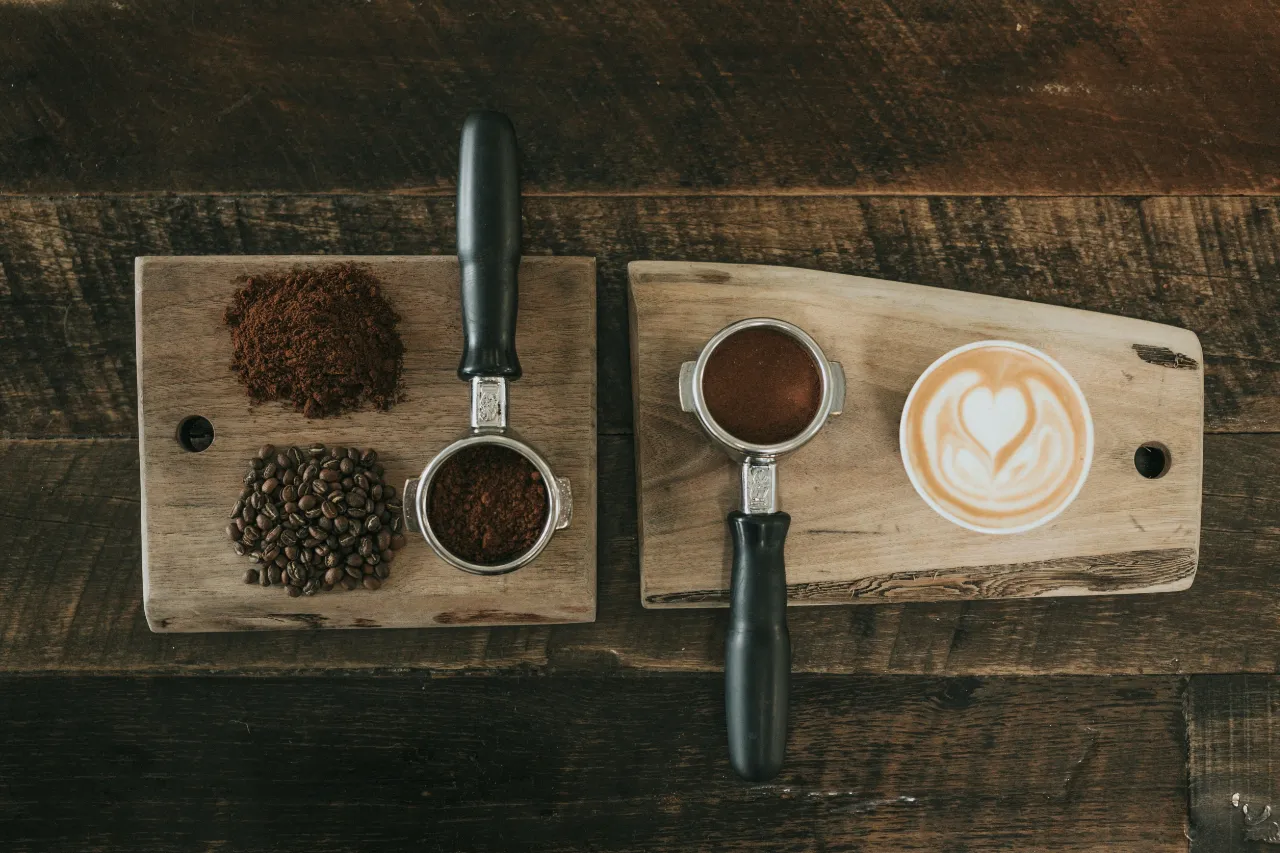
After harvesting, the coffee beans are fermented, washed or dried, and finally roasted by hand - this gives the coffee a distinctive and unique flavor.
The choice depends on your usage habits. Freshly ground coffee beans have an unbeatable aroma – that's what baristas use. Ground coffee, on the other hand, is more convenient and ideal for quick use at home.
Smúz café offers only blends from reliable sources, sustainably grown and precisely roasted – not only delicious but ethical too. These coffees offer a premium experience, so their price reflects both quality and expertise.
If you like a subtle, complex flavor, try Arabica. If you prefer a strong, intense, high-caffeine coffee, Robusta may be the perfect choice – or a well-balanced blend that combines the benefits of both.
At the Smúz café in Budapest, you can choose from several blends, so you are guaranteed to find the right flavor for you. Whether it is artisanal, whole grain, ground, espresso or latte, every cup at Smúz is an experience – and the arabica vs robusta duel is decided in taste.
Cookies at Smúz
We use cookies to keep the site working and – if you allow it – to see what our visitors enjoy and show relevant offers. You can change your choice any time with the cookie icon. Privacy policy
Needed for the site to work: language, form protection, booking and this choice.
Anonymous visit data (Google Analytics) so we can see what works well on the site.
Measuring and personalising our ads (Google, Meta).
Embedded Spotify player, Google Maps, videos – these use their own cookies.