The history of Hungarian coffee drinking and the rebirth of coffee culture
Smúz Blog · 2025. 11. 04.
Smúz Blog · 2025. 11. 04.
The history of coffee in Hungary dates back to the 16th century. There was a demand for coffee in the Hungarian territory from the beginning of the Turkish occupation, although initially coffee grinders were only for the Turks. According to a legend, coffee beans were brought to Buda in 1579 by a merchant named Behrám. We know for sure that from 1541, at the beginning of the Turkish occupation, there was a demand for coffee grinders, but they were only for the Turks. For a long time, there was no demand for this commodity from the Hungarians.
The custom of drinking Turkish coffee reached Hungary in a strange way. Although Suleiman the Magnificent permitted the consumption of coffee in 1535, between 1567 and 1640 it was already forbidden in the sultan's court, and was even punishable by death. In Buda, however, the Turkish cafes provided a kind of loophole: here the tradition of the "black soup" could continue, which later became the basis of Hungarian coffee culture. In our article, you can learn how this forbidden drink became a national passion, and how today's Hungarian coffee roasters and specialty coffee brands continue to build on its tradition.
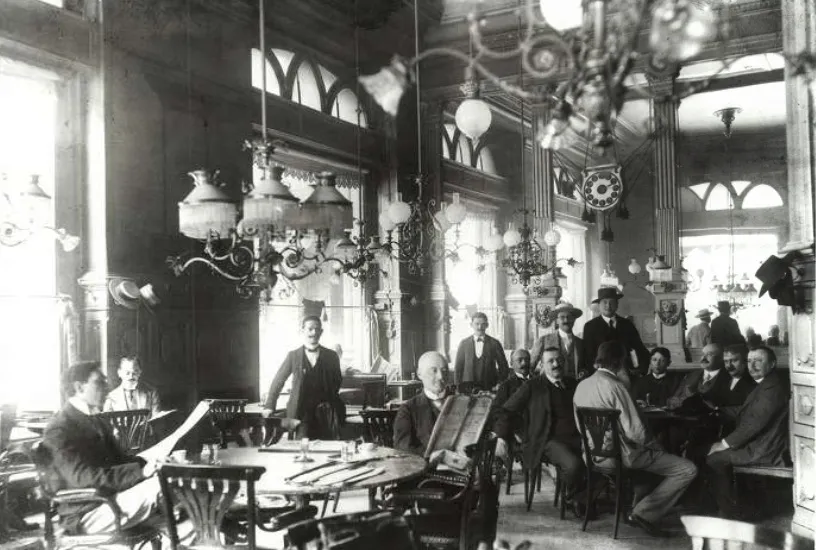
Initially, Hungarians only became acquainted with coffee as guests or prisoners of war in Turkey, and for a long time they were averse to it, as they considered it a Turkish custom. The change was brought about by the first Hungarian coffee house in 1714, opened by “Blasius Cavesiedert” Kávéfőző Balázs in the Víziváros district of Pest.
He was the one who, as a traveling coffee maker, offered “black soup” in markets and streets, and then opened his own place, where chicory and fig coffee were also available. Although his coffee house was not considered upscale, it was here that coffee drinking began to become a truly Hungarian custom – this is where the domestic coffee culture began, the legacy of which is carried on today by Hungarian coffee roasters and specialty coffee brands.
Many itinerant baristas followed the example of Balázs the coffee maker, and coffee houses mushroomed in Hungary in the early 18th century. Due to competition, the price of coffee beans fell, which led to the famous Coffee War in 1729. As a result of the dispute, in 1737 the city of Pest decreed a minimum price for coffee, thus officially regulating the market.
By the end of the 18th century, Hungarian coffee had become a natural part of city life. In 1796 the Pest Civic Coffee Makers’ Society was founded, which can be seen as the forerunner of today’s specialty culture. This was the start of the golden age of Hungarian coffee-house life, when roasted coffees with fruity notes, cappuccino and latte became everyday things. Coffee was no longer just a drink but a way of life - just as Hungarian roasters and coffee brands cherish this heritage today.
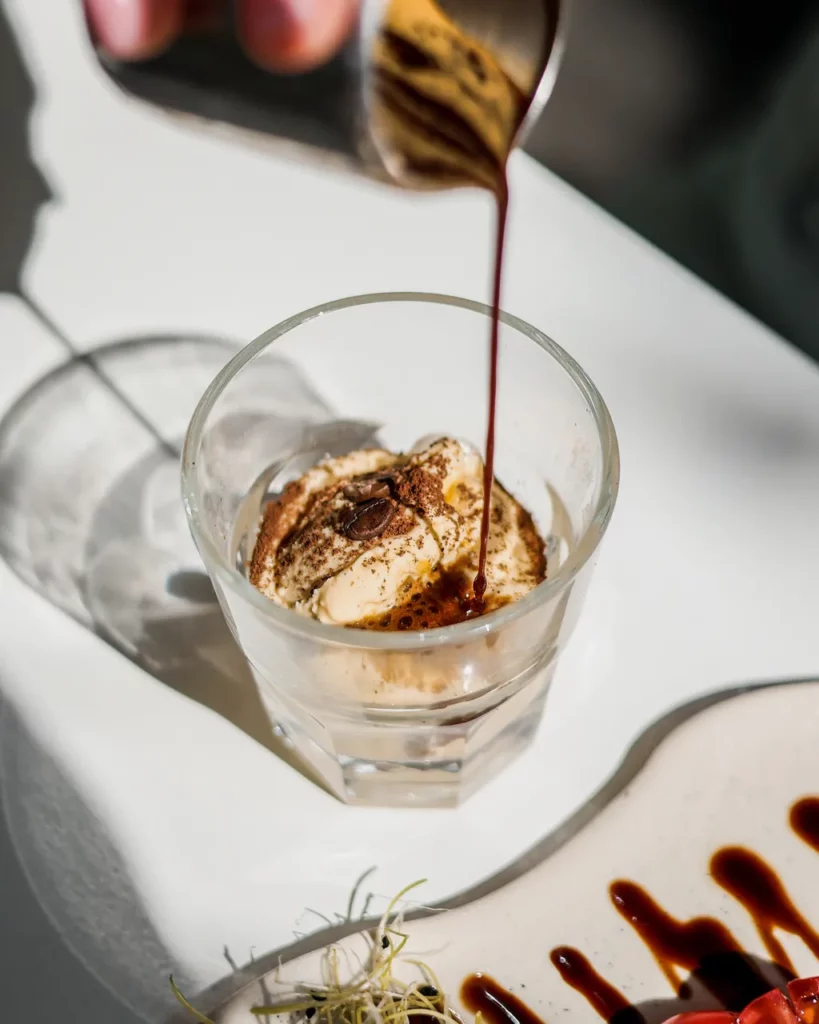
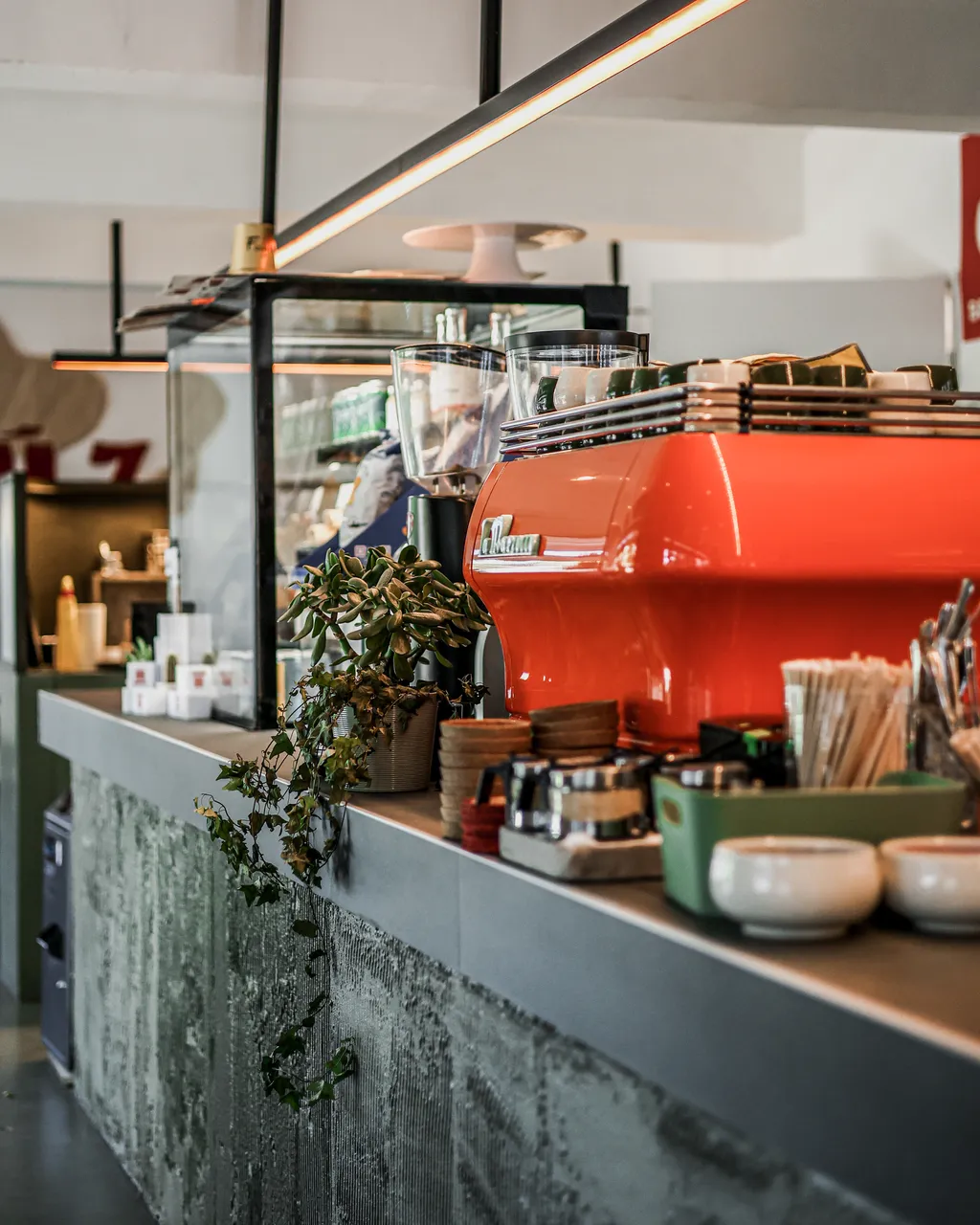
One of the main phenomena of the domestic market is the emergence and rise of Hungarian coffee roasters: these businesses offer high-quality coffee beans that even fall into the specialty category. According to a 2025 report, the spread of Hungarian specialty coffee shops and roasters is brisk, and competition has risen to an international level.
Coffee bean varieties - such as Pacamara or Villa Sarchi - are known worldwide for their exciting aromas. Hungarian roasters increasingly work with these single-origin coffees, so their customers don’t just get a “Hungarian coffee brand” logo, but a real specialty experience.
In the modern café life, the role of the barista has also become more valued: the level of expertise of the barista determines how much a cappuccino or latte stands out from the average. Hungarian coffee roasters often organize barista workshops and tastings, thereby strengthening the status of specialty coffee. This was also one of the focal points of the 2025 Budapest Coffee Week, with more than 50 cafés, roasters and baristas participating in the event.
The aromas of roasted coffee cover a wide spectrum: “black” (pure black coffee, without milk), beans with fruity notes - all part of gourmet coffee drinking. Hungarian roasters often offer an espresso profile (intense, with high caffeine content), but filter and pour-over methods are spreading too, where the fruity character dominates.
Supporting domestic coffee roasters is not only a sign of local patriotism, but also a conscious choice:
Hungarian coffee roasters today do not just follow international trends, but also shape them with their own flavors. Coffee, which was once a habit of the Turkish conquerors, has now become one of the most delicious and enjoyable traditions of Hungarian culture. Whether you want a classic black coffee or a fruity filter, many domestic coffee brands now offer a premium experience. Whether it's a bean or barista line, it proves that Hungarian coffee is once again world-class.
If you’re craving a truly special Hungarian coffee in Budapest, pay a visit to the cosy riverside home of Smúz Café - every sip is the specialty experience itself!
Take a look at our modern Budapest coffee house and discover our full range.
Cookies at Smúz
We use cookies to keep the site working and – if you allow it – to see what our visitors enjoy and show relevant offers. You can change your choice any time with the cookie icon. Privacy policy
Needed for the site to work: language, form protection, booking and this choice.
Anonymous visit data (Google Analytics) so we can see what works well on the site.
Measuring and personalising our ads (Google, Meta).
Embedded Spotify player, Google Maps, videos – these use their own cookies.