The History of Coffee: A Cup of History
Smúz Blog · 2025. 02. 17.
Smúz Blog · 2025. 02. 17.

Few drinks have such a rich and exciting history as coffee. Once a rare luxury item, today it is an essential part of the daily routine of millions. But where does this aromatic black liquid come from? How did it conquer the world? Let's dive into the adventurous history of coffee together!
One of the most famous legends is that coffee owes its birth to an Ethiopian goatherd. The shepherd noticed that his goats gained a special energy after eating the berries of the coffee bush. This discovery laid the foundation for coffee's global conquest, which soon reached the Arab world and from there eventually reached Europe.
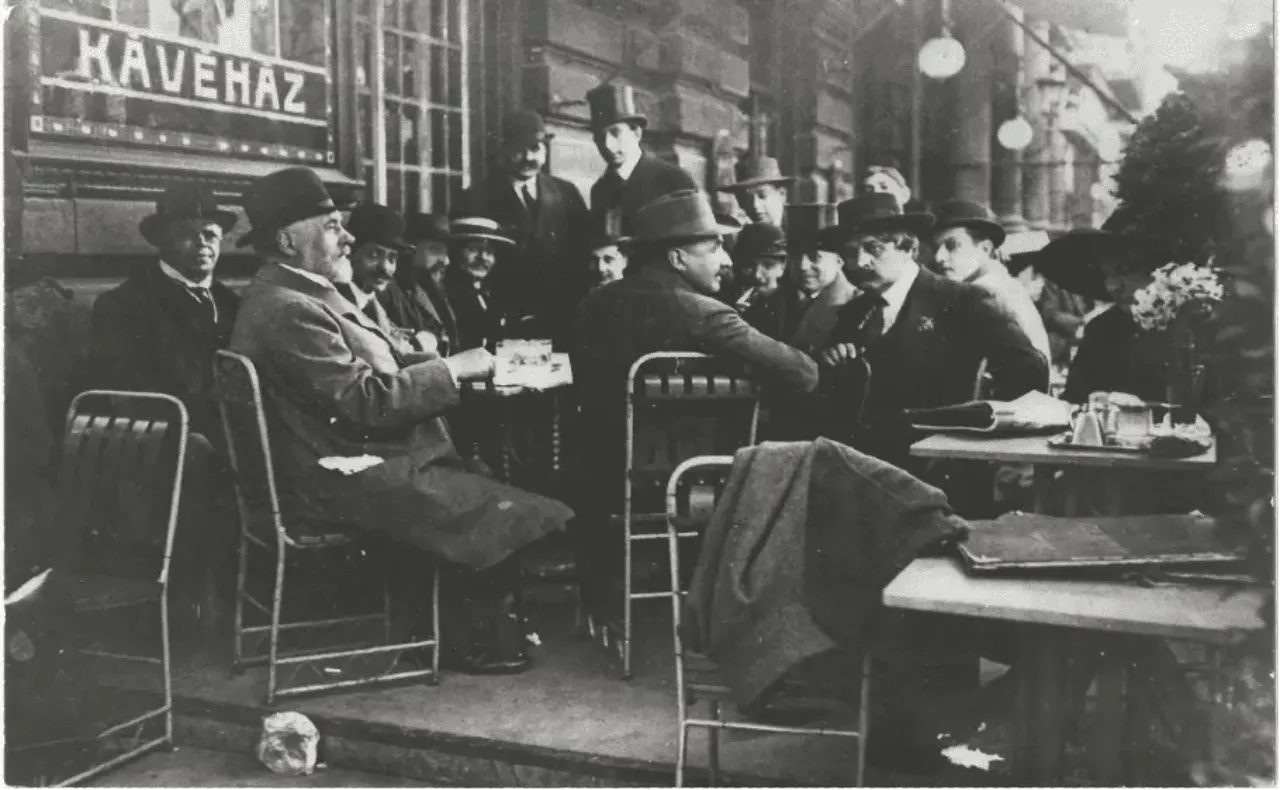
By the 16th century, only the wealthy and religious leaders in the Arab world could afford it. According to sources, the first coffeehouses opened in Constantinople (now Istanbul) around 1552, and then appeared in Europe by the mid-1600s. These places were not only about drinking coffee, but also about the exchange of intellectual and commercial information, and became prominent venues for social life. Due to its high price, coffee was considered a status symbol at the time.
By the 18th and 19th centuries, coffee was available to a wider audience, so the former luxury item gradually became an everyday consumer product.
Pope Clement VIII also contributed to its spread on our continent when he gave it his papal blessing, after tasting the coffee then called the “devil’s drink” himself. From then on, coffee’s conquest of Europe opened a new chapter in history.
When we talk about the origins of coffee, the first coffee to appear in history is Arabica. This variety is native to Ethiopia and has been known for over a thousand years. It was first introduced to Yemen by Arab traders and then to the rest of the world, and is still the most popular coffee variety due to its refined, fruity aroma.
Robusta, on the other hand, came into the spotlight much later, in the late 19th century. Originally growing wild in Central and West Africa, it quickly spread due to its more resilient nature and higher caffeine content, especially in espresso blends.
How is Illy coffee connected to history and Europe?
It is important to highlight Illy coffee because it has been a pioneer in the coffee industry and a symbol of premium quality since 1933. The brand has developed a close connection not only to Italian coffee culture, but also to coffee traditions around the world, and has brought many innovations to the field of coffee preparation.
The uniqueness of Illy coffee lies in the fact that it was the first coffee to be made from blended coffee beans, specifically using a unique combination of Arabica beans. Through the blending, Illy was able to achieve a harmonious, balanced flavor profile that has provided a unique experience for coffee lovers around the world.
Coffee consumption has undergone enormous changes over time. In the beginning, it was mostly consumed by brewing or chewing; for example, Ugandans chewed dried coffee beans to increase their strength while on long journeys, while the Abyssinians (in what is now Ethiopia) simply chewed coffee to enjoy its taste and effects.
Later, when coffee arrived in Europe, it was brewed instead, but the flavoring of coffee initially differed from what is customary today: for a long time, coffee was flavored with various spices, such as cinnamon, cardamom, or even butter, and in some cultures, special teas were made from it.
The average person drinks around 500-600 cups of coffee per year, which is 2-3 cups of coffee per day. Finland is one of the biggest coffee consuming countries, with an average person consuming over 12 kilograms of coffee per year.
Today, coffee drinking has become much more refined and interesting, and it appears in many forms on drinks menus:
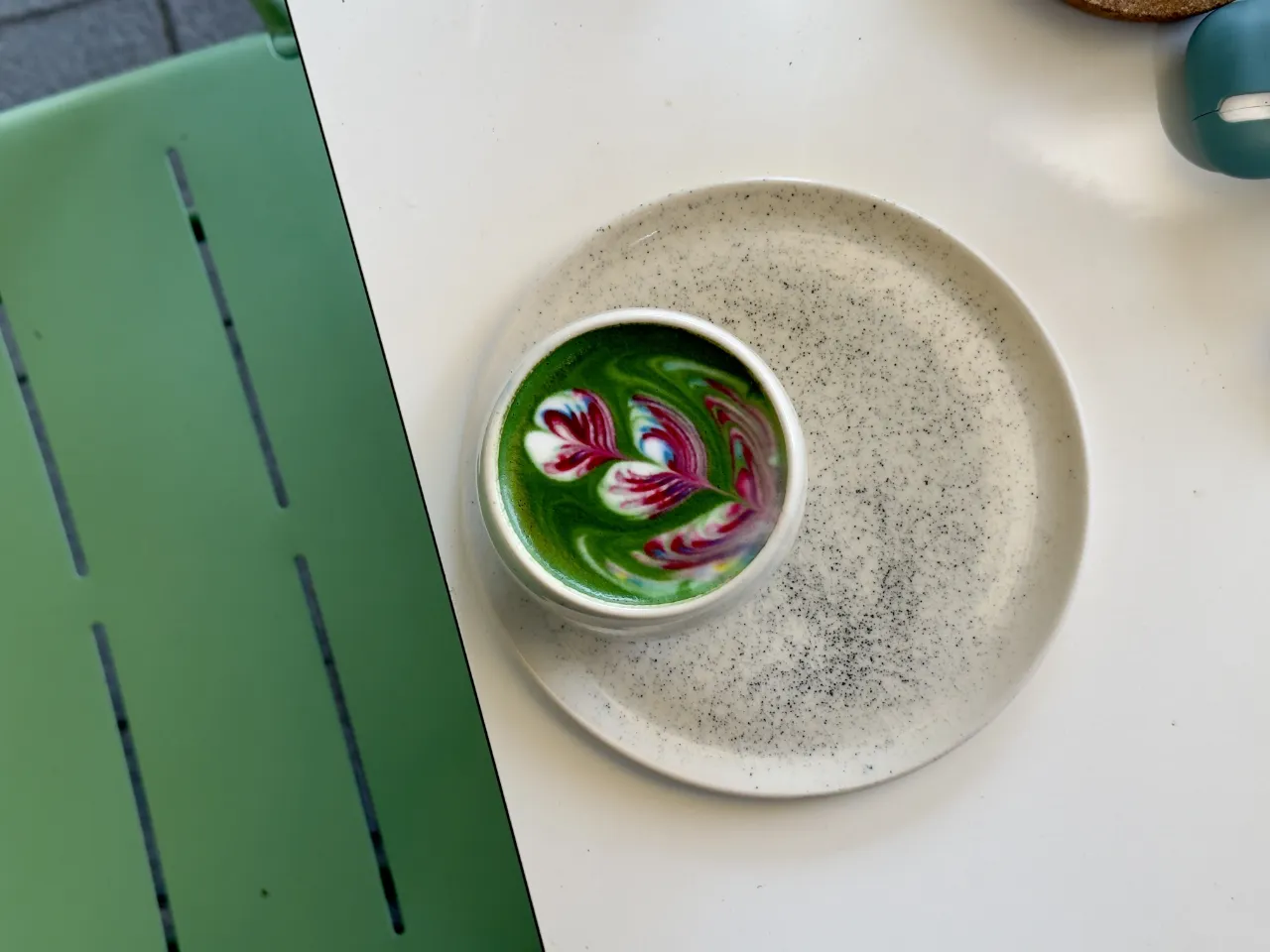
At Smúz, you can also find coffee specialties such as the Multi color latte or a novelty that is also visually extraordinary, the Bubbles latte.
Although coffee habits have changed, people in cafés don’t just drink coffee – they’re looking for a whole experience that includes the atmosphere, conversations with friends or even work. If you’d like to experience the essence of coffee culture too, we look forward to welcoming you at Smúz, by the Danube and the Parliament!